The influence of psychology on gambling behavior
The psychological motivations behind gambling
Understanding the psychology behind gambling behavior begins with exploring the motivations that drive individuals to gamble. Many players are attracted to the thrill and excitement that gambling offers. This rush can be linked to the body’s release of dopamine, a neurotransmitter associated with pleasure and reward. This chemical response leads players to seek out more opportunities to gamble at sites like https://luckstercasino-uk.com, often without considering the potential risks involved. For some, the excitement can become addictive, propelling them to engage in more frequent gambling activities.
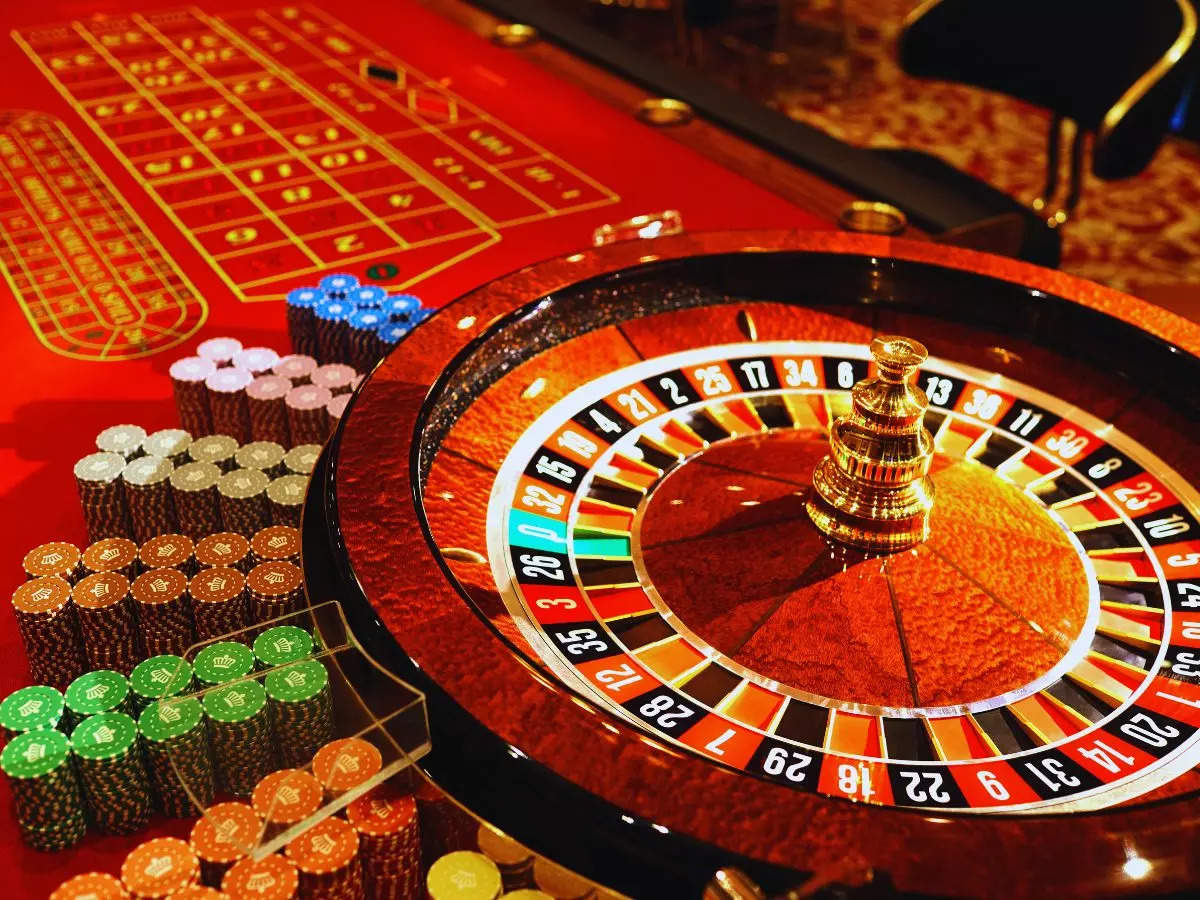
Another significant psychological factor is the desire for social interaction. Gambling often occurs in social settings, such as casinos or online gaming communities, where individuals can connect with others. This social aspect can create a sense of belonging and camaraderie among players, making the experience even more appealing. Furthermore, some gamblers may use these social environments to escape their daily lives, leading them to perceive gambling as a form of leisure or entertainment rather than a risky behavior.
The illusion of control is another critical component of gambling psychology. Many players believe they can influence the outcome of games through skill or strategy, despite the random nature of most gambling activities. This misguided belief can lead to repeated gambling attempts, as individuals think they can overcome the odds. For instance, players who employ specific strategies may feel empowered, enhancing their overall experience. Unfortunately, this can also result in increased losses and a deeper engagement in gambling behavior.
The impact of cognitive biases on gambling decisions
Cognitive biases play a significant role in shaping gambling behavior. One common bias is known as the “gambler’s fallacy,” where individuals believe that past outcomes will influence future results. For instance, a player may think that if a certain number has not appeared in a roulette game, it is “due” to come up, leading them to place bets based on this flawed logic. This fallacy can lead to irrational betting patterns, ultimately increasing the risk of significant financial loss.
Another prevalent cognitive bias is the “hot-hand fallacy,” where gamblers believe that a streak of wins will continue indefinitely. This can lead to overconfidence and reckless betting behavior, as players become convinced that they are on a winning streak. This bias can be particularly dangerous, encouraging individuals to bet more money than they can afford to lose, thereby escalating their financial exposure and the potential for addiction.
Additionally, selective memory plays a crucial role in how gamblers perceive their experiences. Players tend to remember their wins more vividly than their losses, which can reinforce the idea that gambling is a profitable venture. This skewed perception can perpetuate a cycle of gambling, as individuals overlook the risks and focus solely on their successes. Over time, this selective memory can create unrealistic expectations about gambling outcomes, increasing the likelihood of continued gambling behavior.
The role of emotion in gambling behavior
Emotions significantly influence gambling behavior, often dictating when and how individuals choose to engage in betting activities. High-stress levels, for example, can lead some people to seek comfort in gambling as a form of escapism. The act of placing bets may temporarily alleviate feelings of anxiety or depression, making it an attractive coping mechanism. Unfortunately, this reliance on gambling to manage emotions can become problematic, leading to a cycle of emotional gambling and potential addiction.
Conversely, positive emotions can also drive gambling behavior. Celebratory events or feelings of euphoria may prompt individuals to gamble as a way to enhance their enjoyment. This can create a dangerous association between positive experiences and gambling, making it difficult for players to recognize when their behavior has crossed into unhealthy territory. As a result, those who engage in gambling during moments of happiness may find themselves increasingly drawn to it during times of distress as well.
Furthermore, emotional responses to wins and losses can further complicate gambling behavior. Winning can trigger a rush of excitement, leading to impulsive decision-making and a desire to continue playing. On the other hand, losses can lead to frustration or despair, prompting individuals to chase their losses in a bid to regain their previous winnings. This emotional rollercoaster can create a precarious cycle of gambling behavior, where individuals become trapped in a quest to balance their emotional highs and lows.
The influence of environment and social factors on gambling
The environment in which gambling takes place significantly impacts behavior and decision-making. For instance, the ambiance of a casino—bright lights, sounds of winning, and free drinks—creates an immersive experience that can heighten excitement and encourage gambling. This carefully curated environment can lead individuals to lose track of time and money, often resulting in longer sessions and greater financial risk. Similarly, online gambling platforms utilize engaging graphics and bonuses to create a stimulating atmosphere that fosters prolonged engagement.
Social factors also play a pivotal role in gambling behavior. Peer influence can encourage individuals to gamble more frequently or take bigger risks than they might alone. Friends or family members who gamble may normalize the behavior, making it more acceptable in social contexts. This social approval can lead individuals to participate in gambling activities even when they have reservations or concerns, further entrenching them in a cycle of gambling.
Lastly, societal attitudes toward gambling can shape how individuals approach the activity. In cultures where gambling is viewed as a harmless pastime, individuals may be more likely to engage in gambling without considering the potential risks. Conversely, in environments that stigmatize gambling, individuals may hide their behavior or develop unhealthy habits. Understanding these environmental and social factors can provide valuable insights into gambling behavior and highlight the need for responsible gambling practices.

Exploring responsible gambling in the digital age
As gambling has transitioned to digital platforms, responsible gambling has become a critical focus for both players and operators. Many online gaming platforms, including those offering extensive game libraries like Luckster Casino, incorporate features designed to promote responsible gambling. These features may include self-exclusion options, deposit limits, and tools that track player spending. By providing users with the means to monitor their gambling habits, these platforms can help mitigate the risks associated with excessive gambling.
Moreover, education plays a crucial role in promoting responsible gambling. Awareness campaigns designed to inform players about the risks of gambling, the signs of addiction, and resources for help are increasingly prevalent. By fostering an understanding of the psychological factors at play, players are better equipped to make informed decisions about their gambling activities. This proactive approach can empower individuals to engage in gambling responsibly and seek help when necessary.
Lastly, regulatory bodies are stepping up efforts to ensure that online gambling platforms adhere to responsible gambling standards. These organizations work to create a safe gaming environment for players, requiring operators to implement measures that protect against problem gambling. By focusing on player safety and promoting responsible gaming practices, the industry can continue to thrive while prioritizing the well-being of its players.
Comments are closed